Montana's food comes mostly from ranches, wheat farms and wild country rather than from restaurant kitchens. On January 1, 2026 the state had about 2.14 million cattle, close to two for every resident, and it has led the country in lentils, dry peas and planted barley. The flavours visitors remember, though, are smaller and more seasonal: wild huckleberries in late summer, Flathead cherries in July and August, a Butte pasty, fry bread at a powwow.
This guide covers what those foods are, where they come from and when to find them. It names public markets and festivals but no restaurants, because menus and owners change faster than this page.
Huckleberries: wild only, late July to September
The huckleberry is Montana's best-known flavour, and almost every jar, pie or milkshake made with it starts with a person picking in the woods. Attempts to grow huckleberries commercially in fields have mostly failed, and the plants take up to 15 years to mature, so the supply is wild.
- Season: roughly late July into early September, starting low and moving uphill as the summer goes on.
- Where they grow: Montana Fish, Wildlife & Parks (FWP) says huckleberries are most common between 3,500 and 7,000 ft, in conifer forest with about half tree cover, and in old burns, old clear-cuts and avalanche chutes. Start on south-facing slopes and move up and around as the season advances.
- Picking rules: on the Flathead National Forest, personal-use picking has been allowed without a permit up to 10 gallons per person, and the forest has not been issuing commercial permits; check the current rule with the forest you are in. National parks allow only limited picking for personal use, so check the park's rules first.
- Bears: grizzlies and black bears feed heavily on huckleberries in late summer. Pick in daylight, in a group, talk as you go and carry bear spray. Our health and safety guide covers the bear rules.
Labels deserve a careful read. Montana's 2007 law on "Montana huckleberry" products was repealed in 2023, so there is no longer a state rule behind the words; the ingredient list is the better guide.
Flathead cherries: late July into August
The sweet cherries grown around Flathead Lake are the state's best-known fruit crop. The lake moderates the climate enough for orchards, most of them on the east shore along MT-35 between Bigfork and Polson. Lambert and Lapin are the main varieties, with Rainier and Sweetheart also grown.
- Season: picking usually begins in mid- to late July and runs into August. A cold spring can push it back by weeks; in 2011 the harvest ran about three weeks late.
- Where to buy: roadside stands along the east shore during the harvest, and the farmers markets below.
- Festival: the Flathead Cherry Festival fills Main Street in Polson in late July; in 2026 it ran July 25 and 26.
Butte pasties
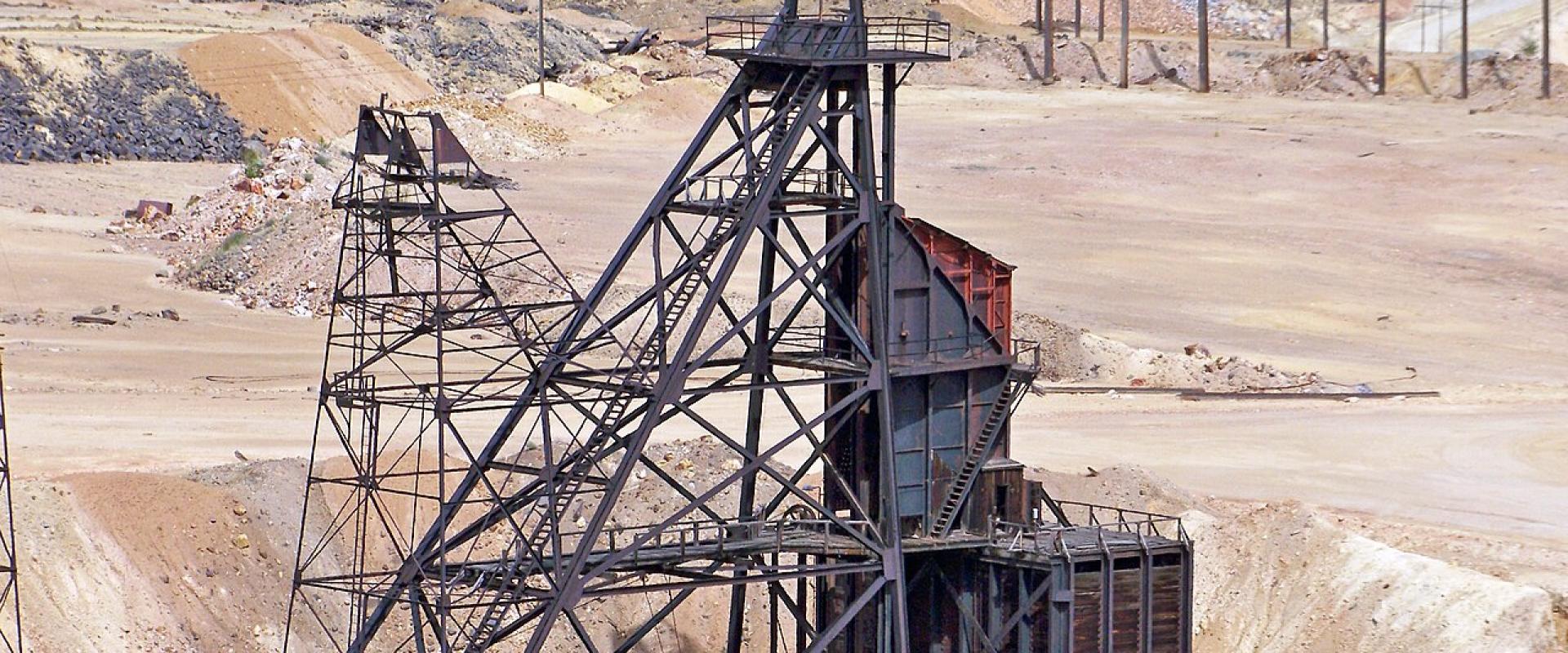
The pasty, a folded pastry filled with meat, potato and onion, came to Butte with Cornish miners, the "Cousin Jacks", in the copper boom after 1882. Miners carried pasties underground for lunch, other immigrant groups took them up, and the Finns added rutabaga. Pasties have been on family tables in Butte and Anaconda for generations, and bakeries and diners in both towns still sell them. The World Museum of Mining shows the life the pasty was made for.
Beef, bison and lamb
Cattle are Montana's biggest farm product, and beef is the default on menus statewide, from burgers to prime rib. Bison is the other local meat, sold as burgers, steaks and jerky. The animals on your plate come from ranches, not from the wild herds in Yellowstone or on the CSKT Bison Range; our wildlife and ecology guide explains how those herds are managed.
Rocky Mountain oysters
Rocky Mountain oysters are bull calf testicles, a by-product of castration on cattle ranches. They are usually skinned, sometimes pounded flat, rolled in seasoned flour and deep-fried, and served hot as an appetiser with a dipping sauce. Bars and steakhouses across the state list them, and they are worth trying once.
Fry bread and Indian tacos at powwows
Fry bread is a disc of dough fried until puffed and golden. It has a hard history: it was made from flour, lard and other rations the government issued after tribes were moved onto land that could not support their traditional foods. Today it is a staple of powwows and fairs. An Indian taco is fry bread topped with seasoned beef (sometimes bison or venison), beans, lettuce, cheese, tomato and salsa.
The best place to eat both is at a powwow food stand. North American Indian Days in Browning (usually the second week of July) and Crow Fair at Crow Agency (visitor days August 14 to 16 in 2026) are the largest; see our festivals and events guide for dates and our Native American heritage guide for visiting etiquette. Bring cash.
Grain, lentils and peas
East of the mountains, Montana is grain country. In 2025 it ranked first in the US for planted barley acreage, with 31.5% of the national total, and much of that is malting barley for brewing. It has also been the top US producer of lentils and dry peas, which is why lentil soups and salads appear on local menus. Wheat from the "Golden Triangle" between Great Falls, Havre and Conrad goes into local breads and flour.
Farmers markets: where and when
Markets are the easiest way to taste the season in one stop: vegetables from June, cherries in July and August, huckleberry jams, honey, local meat and baked goods.
| Market | Where | When | Season |
|---|---|---|---|
| Missoula Farmers Market | Circle Square, north end of Higgins Avenue, Missoula | Saturdays 8 a.m. to 12:30 p.m.; Tuesdays 5 to 7 p.m. | Saturdays May 2 to October 31, 2026; Tuesdays June 2 to September 29, 2026 |
| Helena Farmers Market | Fuller Avenue, downtown Helena | Saturdays 9 a.m. to 1 p.m. | Last Saturday of April to last Saturday of October |
| Gallatin Valley Farmers Market | Haynes Pavilion, Gallatin County Fairgrounds, Bozeman | Saturdays, mornings | Mid-June to mid-September |
| Yellowstone Valley Farmers Market | Downtown Billings | Saturdays 8 a.m. to noon | July 18 to October 3, 2026 |
The Missoula market, founded in 1972, was in its 54th season in 2026. The Gallatin Valley market dates from 1971 and accepts SNAP/EBT. Helena's runs two blocks and draws more than 350 vendors over a season. Billings' market starts late because eastern Montana's growing season does; most of its food is grown within about 120 miles. Hours and dates change from year to year, so check each market's site in spring.
Before you go
- Plan for cherries from late July and huckleberries from late July to early September.
- Carry bear spray and pick in groups if you go huckleberrying.
- Read the ingredient list on huckleberry products; the old state label law is gone.
- Bring cash for roadside stands, powwow food and market stalls.
- Check market dates in spring; 2027 schedules are not yet posted.
Details checked October 2026.