Montana is home to 12 tribal nations. Eleven live on seven reservations, and the twelfth, the Little Shell Tribe of Chippewa Indians, has its headquarters in Great Falls and no reservation. The state tourism office treats this as a region of its own, "Indian Country", which overlaps the six geographic regions. Many routes visitors already drive cross reservation land: US-89 from St. Mary to Browning, I-90 past Crow Agency, US-93 along Flathead Lake.
This guide lists the tribal governments by their own names, explains how to visit respectfully and when you need a tribal permit, and covers the main heritage sites and gatherings, with their status in October 2026. Two well-known museums have changed: the People's Center in Pablo was badly damaged by fire in 2020 and has been rebuilt as a different center, and the Little Bighorn visitor center is being rebuilt.
The seven reservations and 12 tribal nations
| Reservation | Tribal government | Tribes | Headquarters |
|---|---|---|---|
| Blackfeet | Blackfeet Nation | Blackfeet (Amskapi Piikani) | Browning |
| Crow | Crow Nation (Apsáalooke) | Crow | Crow Agency |
| Flathead | Confederated Salish and Kootenai Tribes | Bitterroot Salish, Pend d'Oreille, Kootenai | Pablo |
| Fort Belknap | Fort Belknap Indian Community | Gros Ventre (Aaniiih), Assiniboine (Nakoda) | Fort Belknap Agency |
| Fort Peck | Assiniboine and Sioux Tribes | Assiniboine, Sioux (Dakota, Nakota and Lakota bands) | Poplar |
| Northern Cheyenne | Northern Cheyenne Tribe | Northern Cheyenne | Lame Deer |
| Rocky Boy's | Chippewa Cree Tribe | Chippewa, Cree | Rocky Boy Agency (near Box Elder) |
| none | Little Shell Tribe of Chippewa Indians | Little Shell Chippewa | Great Falls |
Counting the Assiniboine once, these make 12 tribes. The Little Shell Tribe won federal recognition in December 2019. The state's tribal relations office counts eight tribal governments in all.
Visiting reservations respectfully
Each reservation is a sovereign nation with its own laws, police and courts. Public highways through them are open to everyone, but much of the land off the road is tribal or allotted land.
- Stay on public roads and in public places unless you have permission or a permit. Some areas are open only to members, even to permit holders, so follow posted signs.
- Ceremonies are not tourist events. Sun dances and other religious ceremonies are private unless you are invited. Powwows and fairs are different, and visitors are welcome at most of them.
- Ask before photographing people, and never photograph ceremonies. At powwows the announcer says when photos are allowed.
- Leave what you find. Collecting artifacts, bones or rock from tribal or federal land is illegal, and the rock art at sites such as Pictograph Cave is fragile.
- Buy directly from Native artists at powwows, tribal museums and galleries. The federal Indian Arts and Crafts Act makes it illegal to sell work as Native-made when it is not.
Tribal recreation permits
Fishing, hunting, boating and camping on tribal land need a tribal permit, not a Montana state license. Each nation sets its own system:
- Flathead (CSKT): non-members need a Conservation License to recreate on tribal lands, plus activity licenses. For 2026/27 (valid March 1, 2026 to February 28, 2027), an out-of-state non-member pays $100 for a season Conservation License or $80 for a 3-day use license, and a 1-day combined conservation and fishing license is $80 plus a $14 aquatic-invasive-species Prevention Pass. They are sold online through Montana FWP and by local vendors. The south half of Flathead Lake is reservation water, and a separate Flathead Lake fishing license covers it.
- Blackfeet: general recreation and activity permits are sold online, at the Fish and Wildlife office in Browning, and at some local stores and campgrounds. This matters on the east side of Glacier, where reservation lakes sit just outside the park.
- Crow: permits are sold in person at the tribe's Fish and Game office. No Crow permit is needed inside Bighorn Canyon National Recreation Area, about a third of which lies on the reservation.
- Fort Belknap and Rocky Boy's: one in-person permit covers all recreation.
- Fort Peck: permits are sold online, one per activity.
- Northern Cheyenne: contact the tribal office directly.
Rules and prices change, so check with the tribe before you go.
Heritage sites to visit
Little Bighorn Battlefield National Monument
Near Crow Agency, about 16 road-miles from Hardin. On June 25–26, 1876, Lakota, Northern Cheyenne and Arapaho warriors defeated the 7th Cavalry here, and 2026 marked the 150th anniversary. The site has both the Last Stand Hill memorial and the Indian Memorial. The old visitor center has been demolished; a temporary contact station serves visitors while the new building goes up, with new exhibits expected before summer 2027. Some interpretive signs were changed in 2026. Winter hours run 8 a.m. to 4 p.m. See Little Bighorn Battlefield.
First Peoples Buffalo Jump State Park
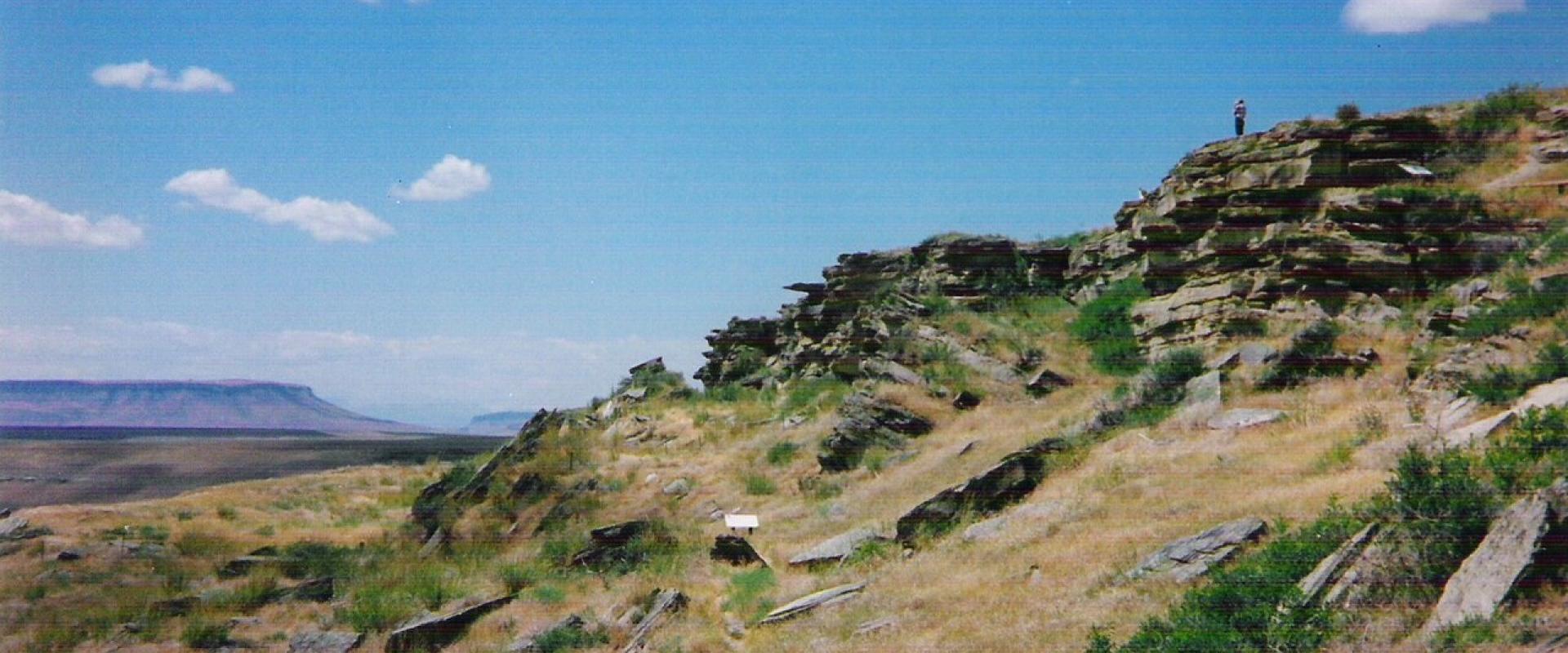
Near Ulm, southwest of Great Falls. A sandstone cliff about a mile long, where hunters drove bison over the edge for at least a thousand years. It became a National Historic Landmark in 2015. Winter hours (until April 14, 2027) are Wednesday to Saturday 10 a.m. to 4 p.m. and Sunday noon to 4 p.m. See First Peoples Buffalo Jump.
Pictograph Cave State Park
On the southeast edge of Billings. Pictograph Cave holds more than 100 rock paintings; the oldest is dated to about 2,100 years ago. In winter it is open Wednesday to Sunday.
Museum of the Plains Indian, Browning
Run by the federal Indian Arts and Crafts Board at 19 Museum Loop, Browning, about 31 road-miles from St. Mary. No closure has been announced. Winter hours (October to May) are Tuesday to Friday, 10 a.m. to 4 p.m., with free admission. In summer (June to September) it opens Tuesday to Friday, 9 a.m. to 4:45 p.m., and adult admission is $7. It is closed weekends and on federal holidays. Phone (406) 338-2230.
Three Chiefs Culture Center (formerly the People's Center), Pablo
The CSKT's cultural center in Pablo was badly damaged by arson in September 2020. The center reopened under the name Three Chiefs Culture Center, first in St. Ignatius and later back in Pablo in a renovated former bank building. Opening hours were not posted where we could confirm them, so call the CSKT before going. Nearby, the tribally run CSKT Bison Range at Moiese charges $20 per vehicle and does not accept federal passes.
Also worth a stop
- Chief Plenty Coups State Park, in Pryor on the Crow Reservation, preserves the home of the last traditional Crow chief.
- Bighorn Canyon NRA, reached from Fort Smith, lies partly on Crow land.
Powwows and gatherings
- Crow Fair, Crow Agency: first held in 1904 and known as the "teepee capital of the world" for the hundreds of lodges in its camp. It is held in mid-August, and only some days are open to visitors; in 2026 Visit Montana listed August 12–17, with visitor days on August 14–16. Dates for 2027 have not been announced.
- North American Indian Days, Browning: the Blackfeet Nation's four-day celebration, usually held in the second week of July. 2027 dates were not posted as of October 2026.
- Most reservations hold summer powwows. Visit Montana's Indian Country events calendar is the best single list.
Powwow etiquette: stand and remove hats during the Grand Entry, flag songs and honor songs; never touch a dancer's regalia (it is not a "costume"); don't sit on the benches around the arena, which are reserved for dancers and families; and follow the announcer's instructions on photos.
Before you go
- Check the tribe's own website or office for permits before fishing, boating or camping on reservation land.
- Call ahead for museum hours; winter schedules are short.
- Don't photograph people or ceremonies without permission.
- Look up 2027 Crow Fair and North American Indian Days dates in spring.
- Remember that tribal law applies on reservation land, and tribal police enforce it.
Details checked October 2026.