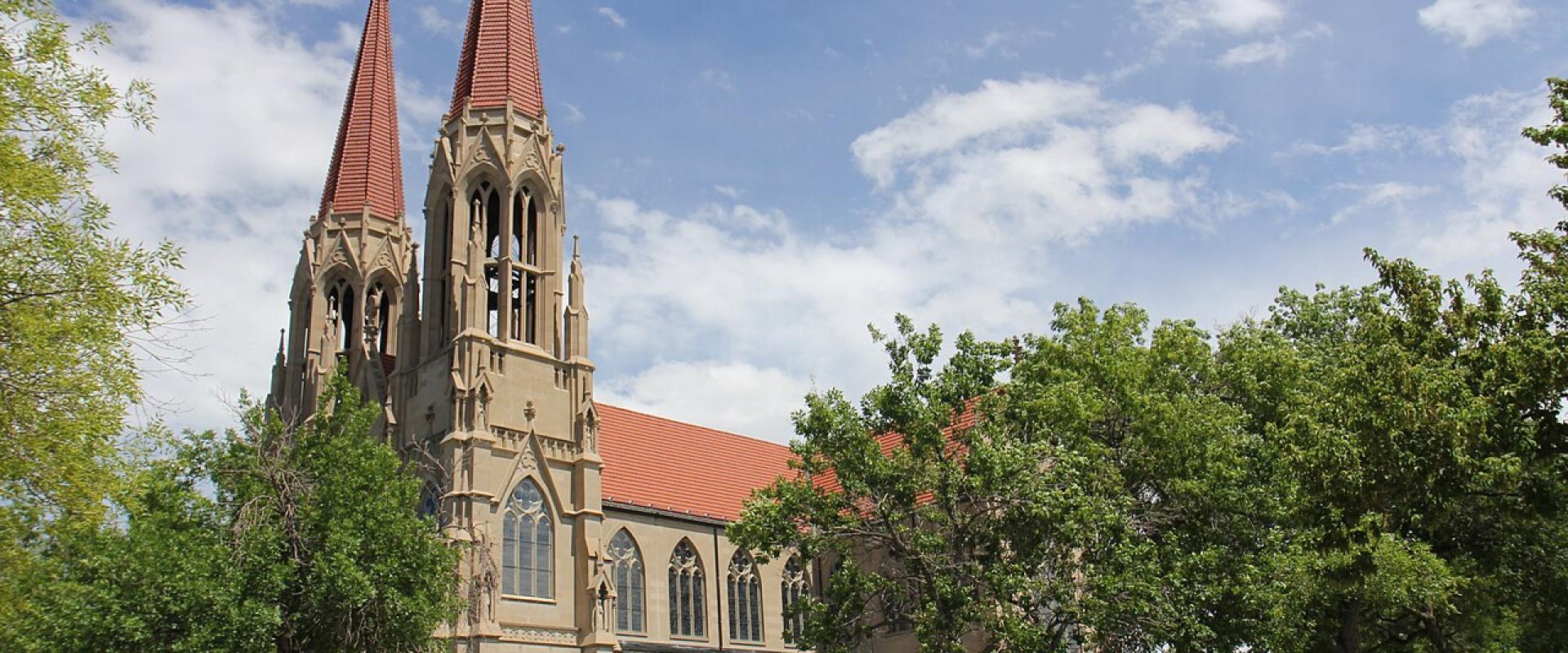
Helena
Gold-rush state capital: the Capitol, a new state museum and canyon boat tours
History People of the Folsom culture were in the area more than 10,000 years ago, and Salish and Blackfeet people later visited the valley on seasonal rounds. Gold strikes at Bannack (1862) and Alder Gulch (1863) brought prospectors, and on 14 July 1864 the Four Georgians struck gold in a gulch off Prickly Pear Creek, which they called Last Chance Gulch. The camp was named Helena on 30 October 1864, after Helena Township in Minnesota. In 1876 Thomas Cruse found the deposit that became the Drumlummon Mine north-west of town. Helena became the territorial capital in 1875, replacing Virginia City, and stayed capital after statehood in 1889, beating Anaconda in referendums held in 1892 and 1894. By 1888 about 50 millionaires lived here. The Archie Bray Foundation, a ceramics centre, was founded on the edge of town in 1952.
What to See The Montana State Capitol, at 1301 East 6th Avenue, was built between 1896 and 1902, with wings added in 1909–12. Across the street at 225 North Roberts Street, the Montana Heritage Center opened on 3 December 2025 after 20 years of planning. It combines a 70,000-square-foot addition with a remodelled older building and holds the Homeland Gallery, which runs from the Ice Age to the present, and a Charles M. Russell Gallery of the Western artist's work. Downtown, the Last Chance Gulch walking mall follows the line of the original gold gulch, with a small artificial stream marking the springs that once ran on the surface. Reeder's Alley preserves more than 30 brick and stone one-room tenements that Louis Reeder built for miners between 1872 and 1884. The Cathedral of Saint Helena and the Victorian houses built with gold-rush money are within walking distance.
Outdoors The Gates of the Mountains boat tours leave from a marina about 20 miles north, off Interstate 15. The trips last about two hours and generally run from mid-May to mid-September. The boats follow the canyon that Meriwether Lewis named on 19 July 1805 and pass within sight of Mann Gulch, where a forest fire killed 13 smokejumpers on 5 August 1949, the subject of Norman Maclean's book Young Men and Fire. Mount Helena City Park rises straight above downtown, and Helena was designated a bronze-level Ride Center by the International Mountain Bicycling Association in 2013. In winter, Great Divide Ski Area operates north-west of town near the ghost town of Marysville. Canyon Ferry, Hauser and Holter lakes on the Missouri are all within an easy drive.
Getting There Helena Regional Airport (HLN) is about 3 miles from downtown. Butte is about 68 miles south-west on Interstate 15, a little over an hour by car, and Bozeman is about 98 miles away. Interstate 15 also runs north to Great Falls. Helena is not on the Amtrak route.
When to Go June to September is the main season: the Gates of the Mountains boats are running, the trails on Mount Helena are dry and the Capitol and museum are busiest. The Heritage Center scheduled its grand opening celebration for 25–28 June 2026. Winters are long and cold, with snow most likely from October to April, but the museums and Capitol stay open and Great Divide Ski Area gives a reason to stay. Spring and autumn are quieter.
Best time to visit
June to September, when the Gates of the Mountains boat tours run and the trails above town are clear of snow.
What to see in Helena
Our picks first.
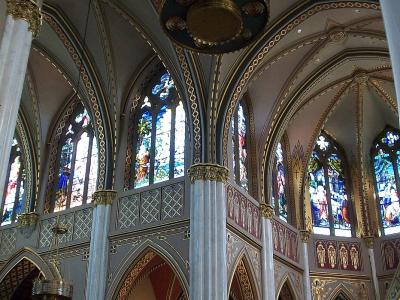
Cathedral of St. Helena
Twin 230-foot spires modelled on Vienna's Votivkirche, with Munich stained glass
Free Architectural Landmarks · Religious Sites
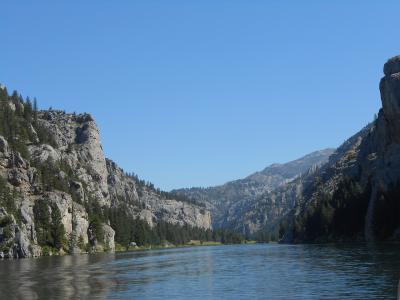
Gates of the Mountains
Two-hour Missouri River boat trip through the limestone canyon Lewis named in 1805
Natural Wonders · Wildlife Viewing
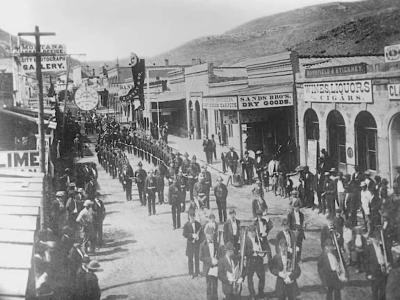
Last Chance Gulch
Helena's main street follows the 1864 gold gulch that started the city
Free Historic Sites · Historic Buildings
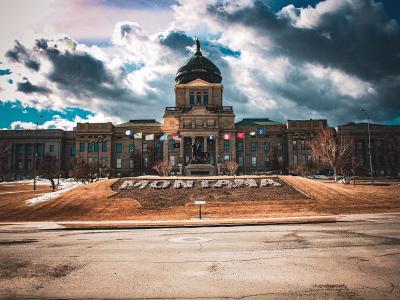
Montana State Capitol
Copper-domed 1902 statehouse with a 25-foot Charles M. Russell mural in the House chamber
Free Architectural Landmarks · Historic Sites
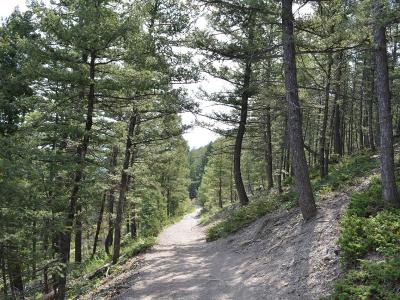
Mount Helena City Park
A 5,468-ft summit with trails that start a few blocks from Last Chance Gulch
Free Outdoor Recreation · Hiking Trails
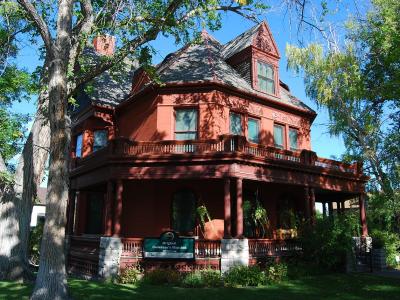
Original Governor's Mansion
The 1888 Queen Anne house where nine Montana governors lived from 1913 to 1959
Free Architectural Landmarks · Museums
Helena by interest
The same sights, grouped by what you came for.
Planning a visit to Helena
Good to know
- Currency
- USD
- Language
- English