Great Falls & Central Montana
Lewis and Clark's falls, C.M. Russell and the Missouri Breaks
- 2 destinations
- 6 attractions
About Great Falls & Central Montana
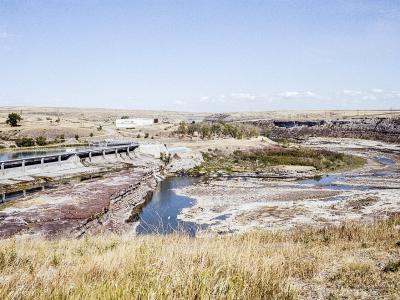
Great Falls and its waterfalls on the Missouri River, the art of Charles M. Russell, Giant Springs, Lewistown and the badlands of the Upper Missouri River Breaks.
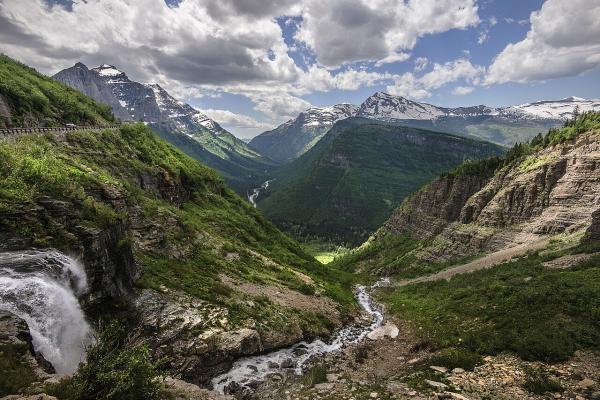
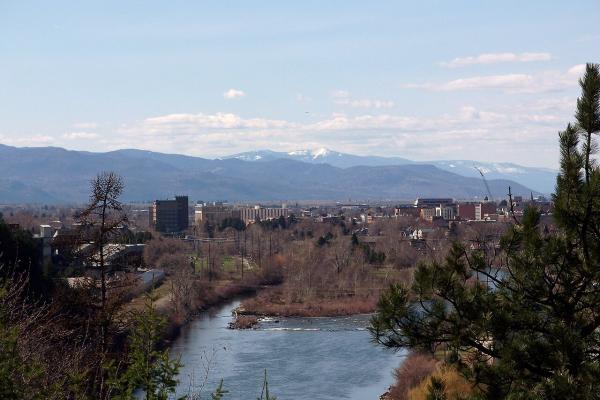
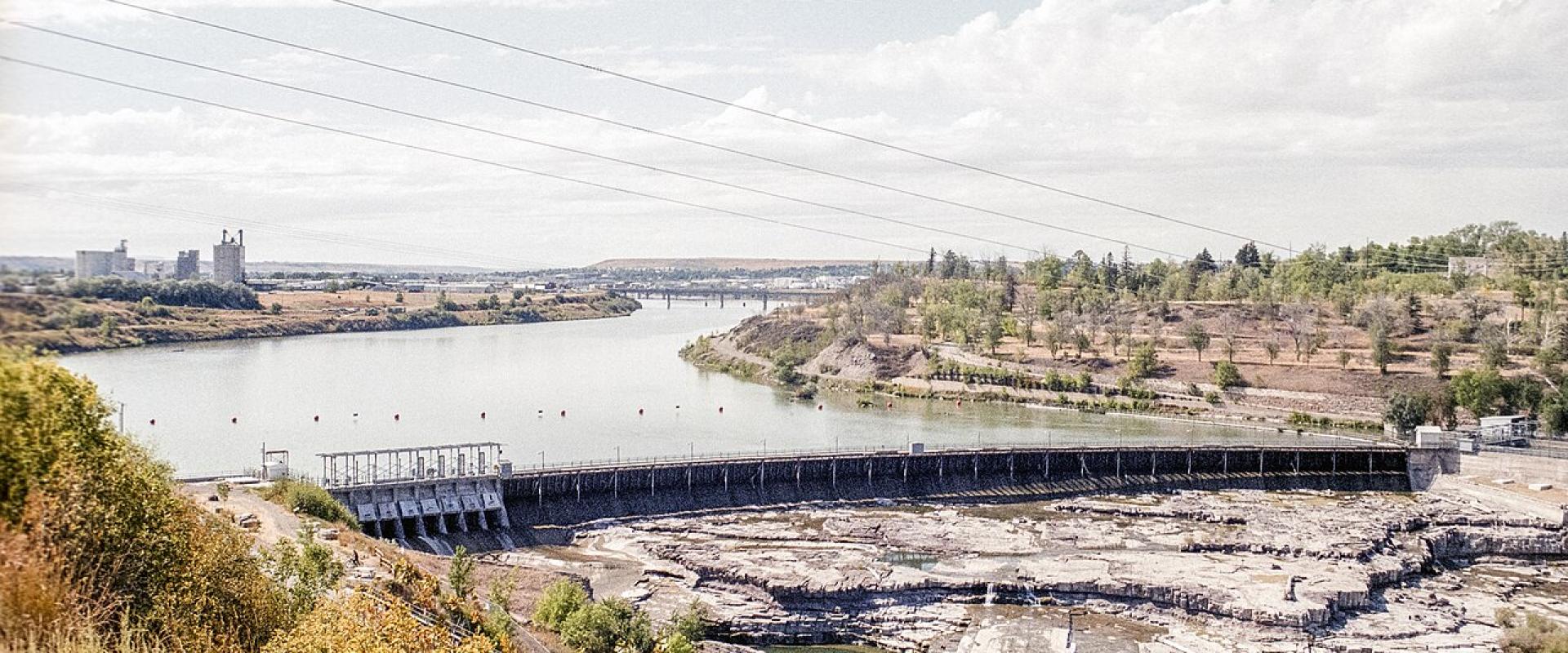
Central Montana is the open country between the Rocky Mountain Front and the Missouri Breaks, with wheat fields, island mountain ranges and small ranching towns. Its main city, Great Falls, grew up beside the series of waterfalls on the Missouri River that the Lewis and Clark expedition had to portage around for nearly a month in 1805. Five hydroelectric dams now harness the falls, which is why Great Falls is called the Electric City; the falls run fullest in spring. Great Falls has more museums than any other city in Montana. The C.M. Russell Museum is devoted to Charles M. Russell, the cowboy artist who lived and painted in Great Falls. Giant Springs State Park, on the edge of town, has one of the largest freshwater springs in the country, flowing at a constant 54°F, which Lewis and Clark recorded in 1805. The Lewis and Clark National Historic Trail Interpretive Center nearby was reported closed for renovation from October 2026 to April 2027; check before visiting. Downstream, the Missouri River flows through the Upper Missouri River Breaks National Monument, about 377,000 acres of badlands, sandstone bluffs and white cliffs, much as Lewis and Clark described them. The river here is a designated Wild and Scenic River, and multi-day canoe trips usually start from Fort Benton, an old steamboat port. Lewistown, in the middle of the state about 11 miles from its geographic centre, hosts the Montana Cowboy Poetry Gathering, one of the oldest in the country. The best time to visit the region is May to September.Where to go in Great Falls & Central Montana
What to see
Lewistown · Natural Wonders
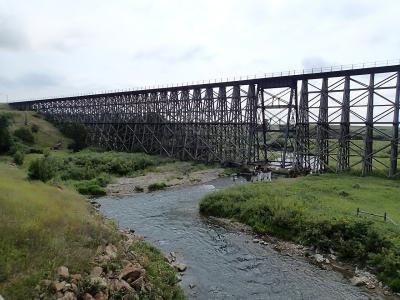
Big Spring Creek and Big Springs Trout Hatchery
A huge artesian spring, a 1922 trout hatchery and a creek with trout inside Lewistown
Great Falls · Historic Sites
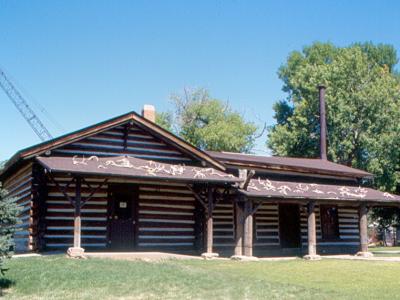
C.M. Russell Museum
Charles M. Russell's paintings, his 1903 log cabin studio and his home in Great Falls
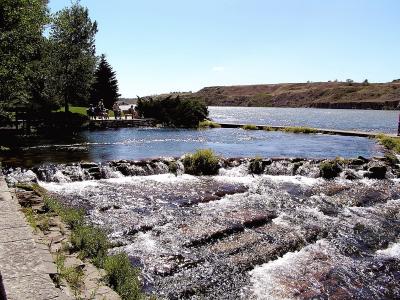
Great Falls · Natural Wonders
Giant Springs State Park
A spring pouring out 156 million gallons a day beside the Missouri, open all year
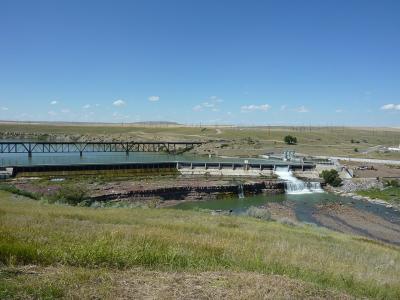
Great Falls · Dams & Engineering
Great Falls of the Missouri
Five waterfalls and four dams on 10 miles of the Missouri, seen from overlooks and trail
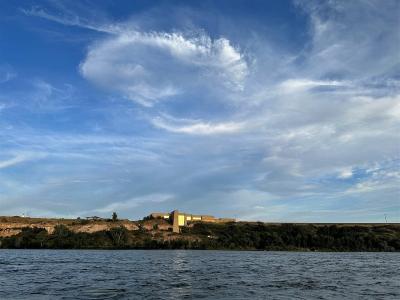
Great Falls · Historic Sites
Lewis and Clark National Historic Trail Interpretive Center
Forest Service museum of the 1805 portage, closed for renovation until 1 April 2027
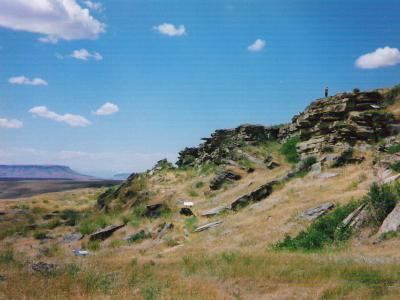
Great Falls · Historic Sites
First Peoples Buffalo Jump State Park
A mile-long sandstone cliff where bison were driven to their deaths for a thousand years