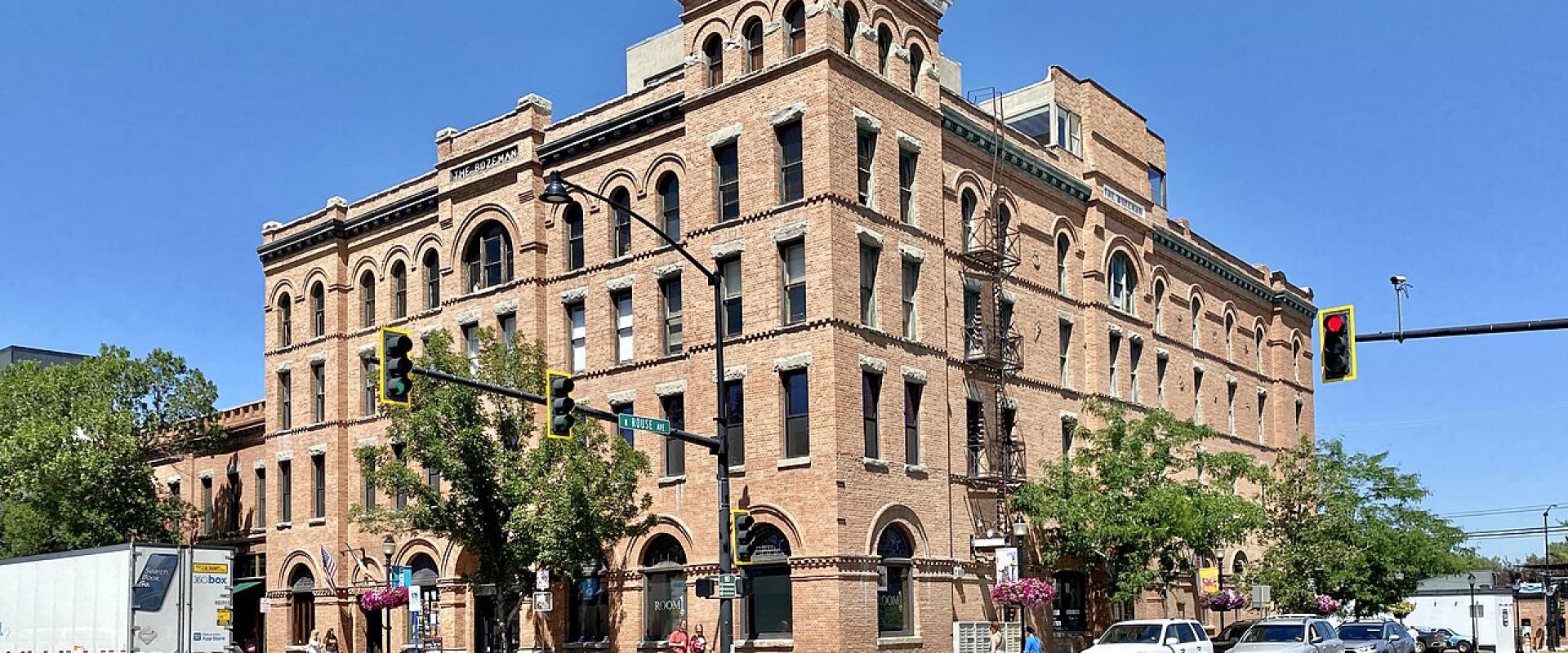
Bozeman
College town with the state's busiest airport, a dinosaur museum and a ski hill
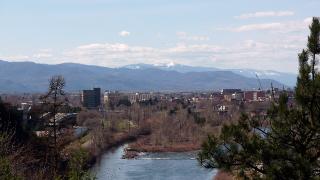
History Bozeman was platted in August 1864 by the trail builder John Bozeman and his partners. Bozeman had scouted an overland route linking the Montana gold fields with the Oregon Trail, which became known as the Bozeman Trail. He was killed in 1867, three years after founding the town. The town's first major building boom came when the Northern Pacific Railroad reached it in 1883. Montana State University was founded here in 1893 as the state's land-grant college. The Main Street Historic District, listed on the National Register of Historic Places in 1987, preserves the commercial blocks from that era, running from the 100 block of West Main to the 300 block of East Main.
What to See The Museum of the Rockies is affiliated with Montana State University and the Smithsonian. Its Siebel Dinosaur Complex is open year-round and displays Montana's T. rex, one of the few mounted Tyrannosaurus rex skeletons in the United States. The museum also runs the Taylor Planetarium. It is usually open 9 a.m. to 5 p.m. and closes on a few days a year, including January 1 and December 25, and closes early on December 24. It is also Montana's official paleontology repository. Downtown, the Main Street district runs several blocks and is the place to walk, eat and shop. Look up at the Baxter Hotel in winter: a blue beacon on its roof flashes when Bridger Bowl reports 2 inches or more of new snow.
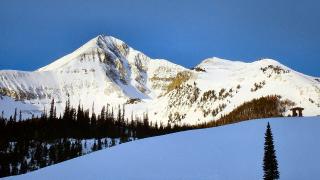
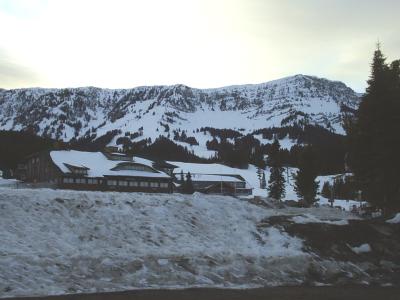
Skiing Bridger Bowl is a non-profit, community-owned ski area 16 miles north of town. Its summit is at 8,700 feet and its vertical drop is about 2,600 feet. Big Sky Resort, much larger at 5,850 acres and a 4,350-foot vertical drop, is about 45 miles south on US-191 through Gallatin Canyon.
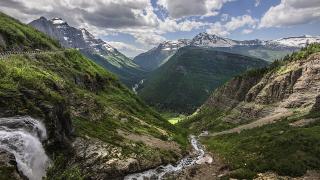
Outdoors Hyalite Canyon Road runs south from the edge of town for almost 12 miles to Hyalite Reservoir. Beyond it, the Palisade Falls trail is an easy, paved 1.2-mile round trip to a waterfall that drops more than 80 feet. Hyalite Canyon Road is closed from April 1 to May 15 each year for spring flooding. The Gallatin and Madison rivers are within an hour's drive for trout fishing.
Getting There Bozeman Yellowstone International Airport (BZN) is in Belgrade, 8 miles northwest of downtown. It has been Montana's busiest airport since 2013 and carried 2,809,419 passengers in 2025. Interstate 90 passes the city. Yellowstone's North Entrance at Gardiner is about 78 miles by road via Livingston, and the West Entrance at West Yellowstone is about 90 miles via US-191 and Big Sky.
When to Go July to September is the season for hiking and for Yellowstone trips, when all the park's main roads are open. Winter, roughly December to March, is ski season at Bridger Bowl and Big Sky. In winter only Yellowstone's North Entrance is open to cars, and Hyalite's road closes from April 1 to May 15. Late spring and autumn are quieter, but snow can linger at Hyalite and on higher trails into June.
Best time to visit
July to September for hiking and Yellowstone; December to March for skiing at Bridger Bowl and Big Sky.
What to see in Bozeman
Our picks first.
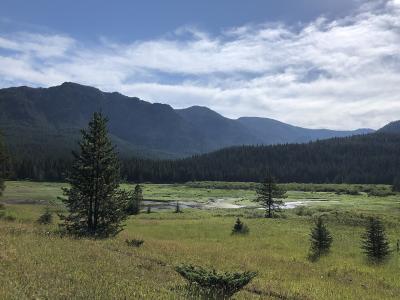
Hyalite Canyon
Bozeman's mountain canyon: a reservoir, short waterfall walks and world-class ice climbing
Outdoor Recreation · Hiking Trails
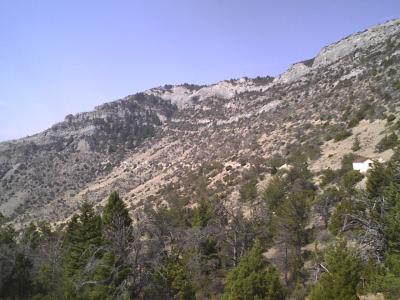
Lewis & Clark Caverns State Park
Guided tours through limestone caverns in Montana's first state park, May to September
From $8 Natural Wonders · State Parks
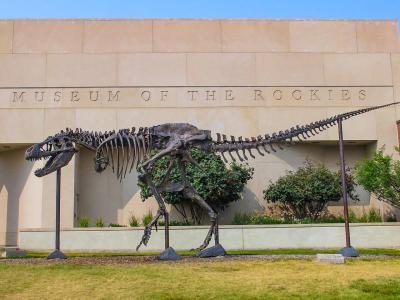
Museum of the Rockies
Montana State's dinosaur museum: a mounted T. rex, Triceratops skulls and a planetarium
From $6 Museums · Dinosaurs & Fossils
Bridger Bowl
Non-profit ski area 16 miles north of Bozeman, with expert hike-to terrain on the Ridge
From $40 Outdoor Recreation · Ski Areas
Bozeman by interest
The same sights, grouped by what you came for.
Planning a visit to Bozeman
Good to know
- Currency
- USD
- Language
- English