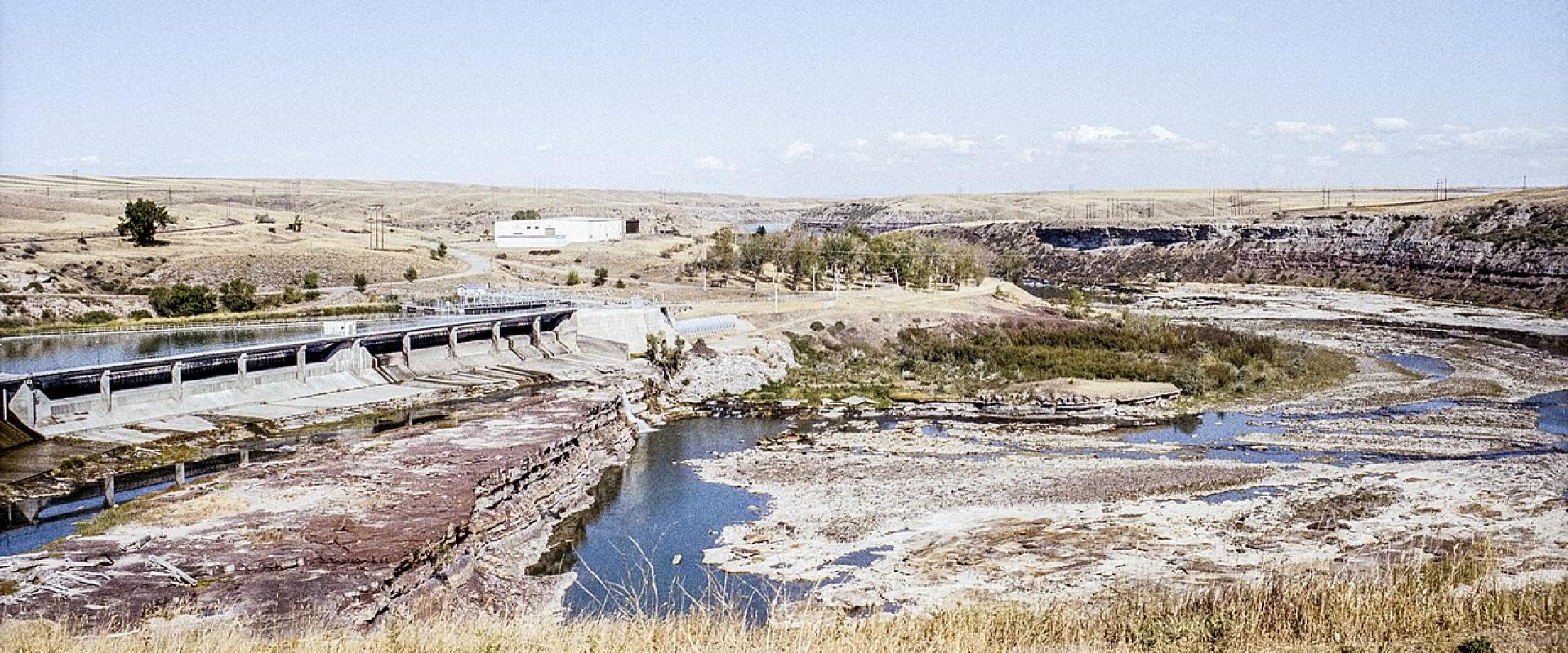
Great Falls
Missouri River city of waterfalls, Giant Springs and the C.M. Russell Museum
History The Lewis and Clark Expedition reached the falls of the Missouri in June 1805 and spent weeks hauling boats and supplies around them, recording Giant Springs on the way. The city came much later: the post office was established on 10 July 1884, and a dam built soon after supplied the town with electricity, the first major hydroelectric project in Montana. Early landmarks still stand, including the sandstone Central High School of 1896 (now the Paris Gibson Square Museum of Art), the copper-domed Cascade County Courthouse of 1903, and the Great Northern (1909) and Milwaukee Road (1915) depots above the river. Great Falls was Montana's largest city from 1951 until 1970, when Billings overtook it.
What to See Great Falls has ten museums, the most of any Montana city. The C.M. Russell Museum at 400 13th Street North includes Charles M. Russell's log cabin studio and his home, a National Historic Landmark since 1965. The Paris Gibson Square Museum of Art shows contemporary work in the old high school. Three of the falls, Black Eagle, Rainbow and the Great Falls, can be seen from overlooks along the river. Note that the Lewis and Clark National Historic Trail Interpretive Center near Giant Springs is reported closed from 1 October 2026 to 1 April 2027 for exhibit work, so check with the Forest Service before planning a visit. First Peoples Buffalo Jump State Park, a National Historic Landmark near Ulm, has a 6,000-square-foot visitor centre; in summer (14 April to 15 September) it opens 8 am to 6 pm daily, and in winter Wednesday to Sunday only.
Outdoors Giant Springs State Park is open year-round from sunrise to sunset. The spring water is a constant 54 °F and is thought to travel underground from the Little Belt Mountains, about 60 miles away. Its outflow, the Roe River, was once listed by Guinness as the world's shortest river, and the Giant Springs fish hatchery sits beside it. Nonresidents pay $8 per vehicle for day use; Montana residents who paid the state parks fee with their vehicle registration enter free. The River's Edge Trail system has nearly 60 miles of paved and dirt paths around the city.
Getting There Great Falls International Airport (GTF) is on the west side of the city, next to the Montana Air National Guard base. Interstate 15 links the city with Helena to the south and Shelby to the north. Glacier National Park's east side is about 160 miles by road; in 2026 Glacier had no vehicle reservations, but non-US residents aged 16 and over pay an extra $100 per person at the gate unless they hold an annual pass.
When to Go May to September is the best period, when the parks, trails and seasonal hours are all running. Winters are long and windy, and several sites cut their hours from mid-September.
Best time to visit
May to September, when trails, state parks and museums keep full hours.
What to see in Great Falls
Our picks first.
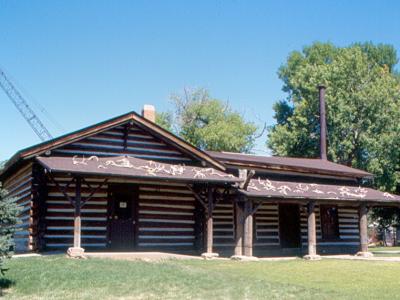
C.M. Russell Museum
Charles M. Russell's paintings, his 1903 log cabin studio and his home in Great Falls
From $7 Historic Sites · Museums
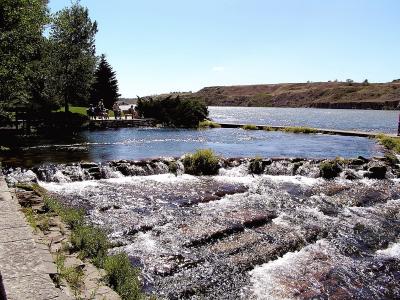
Giant Springs State Park
A spring pouring out 156 million gallons a day beside the Missouri, open all year
From $4 Natural Wonders · State Parks
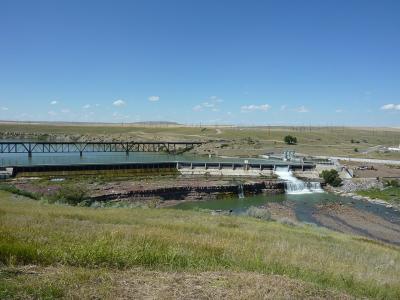
Great Falls of the Missouri
Five waterfalls and four dams on 10 miles of the Missouri, seen from overlooks and trail
Free Dams & Engineering · Rivers
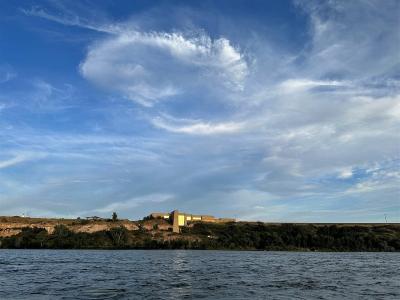
Lewis and Clark National Historic Trail Interpretive Center
Forest Service museum of the 1805 portage, closed for renovation until 1 April 2027
Historic Sites · Museums
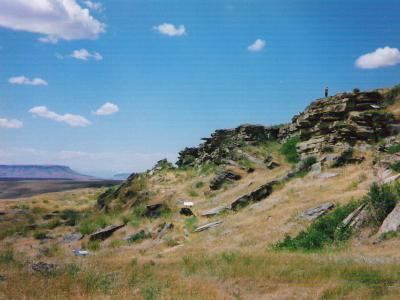
First Peoples Buffalo Jump State Park
A mile-long sandstone cliff where bison were driven to their deaths for a thousand years
From $4 Historic Sites · State Parks
Great Falls by interest
The same sights, grouped by what you came for.
Planning a visit to Great Falls
Good to know
- Currency
- USD
- Language
- English