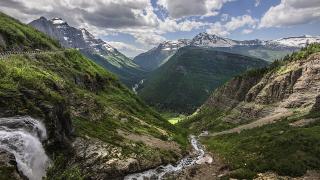
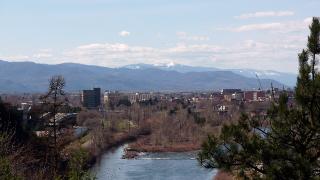
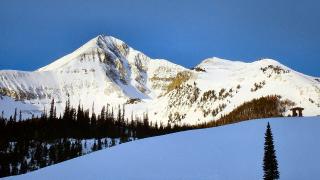
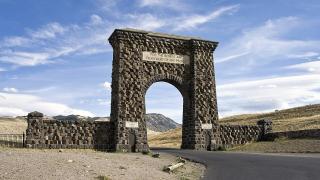
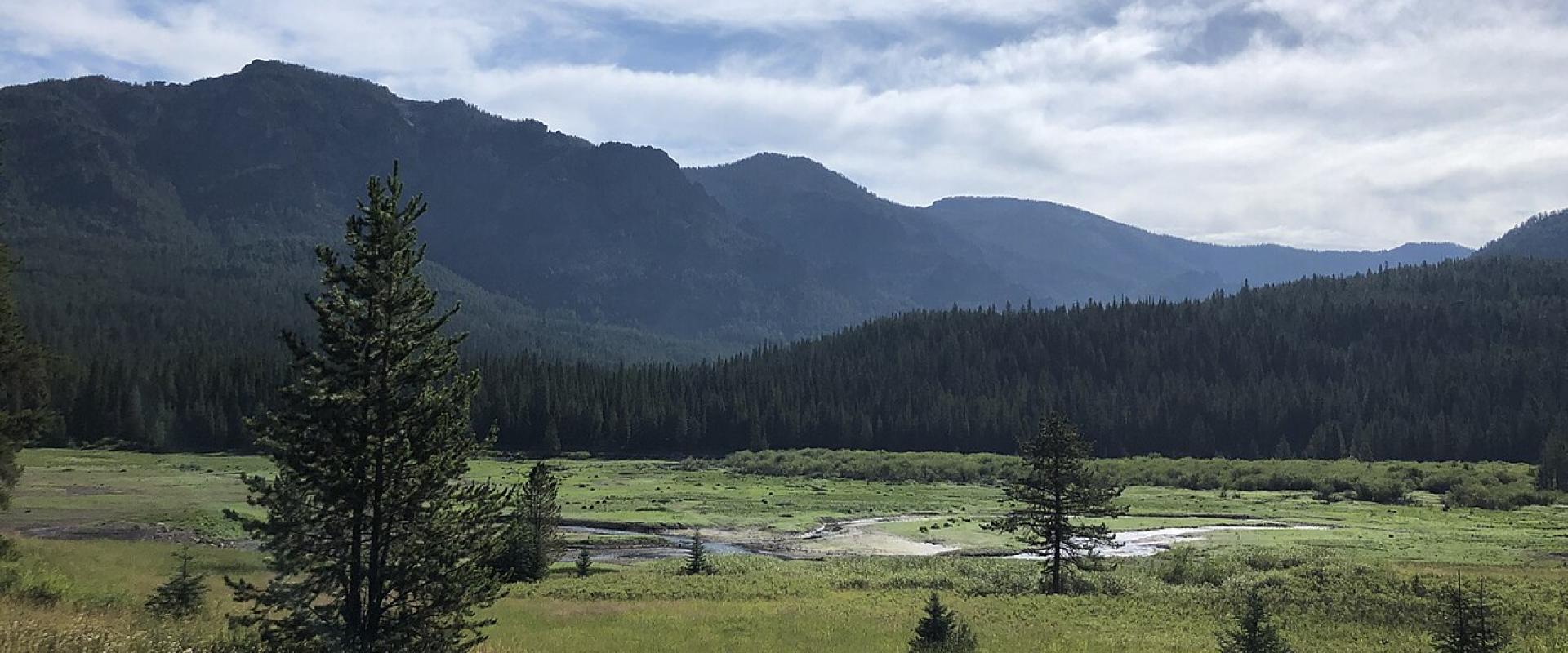
Packing for Montana is about range, not one season's clothes. Glacier's park service says it is generally 10 to 15 °F cooler at Logan Pass than in the valleys, west-side afternoons can top 90 °F in July, and snow can fall in any month. Yellowstone tells visitors to expect rain or snow in every month of the year. A single summer day can need shorts, a rain shell and a warm hat.
This list is organised by need: clothing layers, bear country, sun and altitude, insects, wildfire smoke, snow and ice, and the car. Where an item is required by a rule, such as how bear spray travels or when studded tires are legal, we give the source. Everything else is practical advice.
Layers for mountain weather
The basic kit for any season from May to October:
- Base layer: a synthetic or wool top that dries fast. Cotton stays wet and cold.
- Warm layer: a fleece or light insulated jacket. July lows average about 39 °F in West Yellowstone and about 51 °F in Missoula.
- Shell: a waterproof, windproof jacket. On Glacier's east side, the park reports downslope gusts of 50 mph or more, and sometimes up to 100 mph.
- Hat and light gloves: useful at Logan Pass (6,646 ft) and on the Beartooth Highway, which tops out at 10,947 ft.
- Footwear: broken-in hiking shoes or boots with grip; trails are rocky and often wet into July.
Yellowstone's guidance for spring and autumn is daytime highs from the 30s to the 60s °F and nights in the teens or single digits, with 12 inches of snow possible in 24 hours. Pack an insulated jacket, a hat and waterproof boots for May, June, September and October. Our weather guide has monthly normals for five towns.
Bear country: spray, and how to get it
Bear spray is the one item most visitors need and can't bring on a plane. TSA lists bear spray as not allowed in carry-on or checked bags, so buy it after you land.
What to look for, from the Interagency Grizzly Bear Committee:
- A can labelled "Bear Spray" or "Bear Deterrent" with an EPA registration number on the front, not "pepper spray".
- At least 7.9 ounces (225 g) of product.
- A range of about 20 to 30 feet.
- A holster on your hip belt or chest strap. Yellowstone advises carrying it where you can grab it, not inside a pack.
Don't leave cans in a hot car: they can burst above 120 °F. Before you fly home, give an unused can to someone staying on, since it can't go in your luggage. Food storage rules and distance limits are in our health and safety guide.
Sun, altitude and water
- Sunscreen, sunglasses and a brimmed hat. UV is stronger at altitude, and snow and lakes reflect it. Much of the high country is above treeline with no shade.
- Lip balm and moisturiser. The air is dry, especially east of the mountains.
- A water bottle or bladder for every person. Logan Pass sells no food or bottled water.
- A water filter or tablets if you plan to drink from streams on longer hikes.
- Electrolytes or snacks for the first days. The CDC notes that unacclimatised travellers sleeping at 8,000 ft or higher risk altitude illness. Cooke City and the Beartooth Plateau are in that range.
Bugs and ticks
- Insect repellent for lakes, campgrounds and evening walks in early summer.
- Long sleeves and trousers in tick season. The Rocky Mountain wood tick is most active from late March to early July. It can carry Rocky Mountain spotted fever, first studied in the Bitterroot Valley around Hamilton.
- Fine-tipped tweezers for removing ticks, and a mirror or a partner for checks every evening.
Wildfire smoke
Smoke usually arrives from late July into September, from fires in Montana and in other states and Canada. In late July 2026, much of western Montana was under an air quality alert.
- N95 or P100 respirators, NIOSH-approved. EPA guidance is clear that cloth masks, surgical masks, bandanas and paper dust masks do not filter smoke particles. A respirator works only with a good seal, which is not possible over a beard.
- Eye drops for smoky days.
- A backup plan: a museum or a drive to the other side of the Continental Divide. Check Montana DEQ's Today's Air site each morning.
Respirators are a backup. The first advice is to limit time outdoors when the air is unhealthy.
Snow and ice: traction for shoulder seasons
- Microspikes or similar traction aids for trails in June and from late September. In 2026 Glacier's Highline Trail opened on July 7, two weeks after Going-to-the-Sun Road.
- Trekking poles for snow patches and river crossings.
- Waterproof gaiters if you hike before mid-July.
- Snow boots, insulated gloves and a warm hat from November to March. Yellowstone's winter days run from 0 to 20 °F, and nights below zero are common.
The car kit
Summer: a paper map or offline maps, a phone charger, a full-size spare, water, snacks, a first-aid kit and a cooler. Fuel up before entering either park.
Winter, from October to May, adds:
- an ice scraper, a snow brush and a small shovel
- blankets or a sleeping bag, and warm layers for every passenger
- chains or textile snow socks that fit your tires
- sand or kitty litter for traction, jumper cables and a torch
Studded tires are legal in Montana only from October 1 to May 31. Rental cars usually come with all-season tires, so ask about winter tires or all-wheel drive. Our winter driving guide covers 511 road reports and closures.
Before you go
- Pack three layers plus a waterproof shell, whatever the month.
- Plan to buy bear spray on arrival; it can't fly with you.
- Add NIOSH-approved N95 masks for any trip from July to September.
- Pack sunscreen, a hat and a water bottle for each person.
- Bring traction aids for hikes before mid-July or after mid-September.
- In winter, build the car kit before your first long drive.
Details checked October 2026.