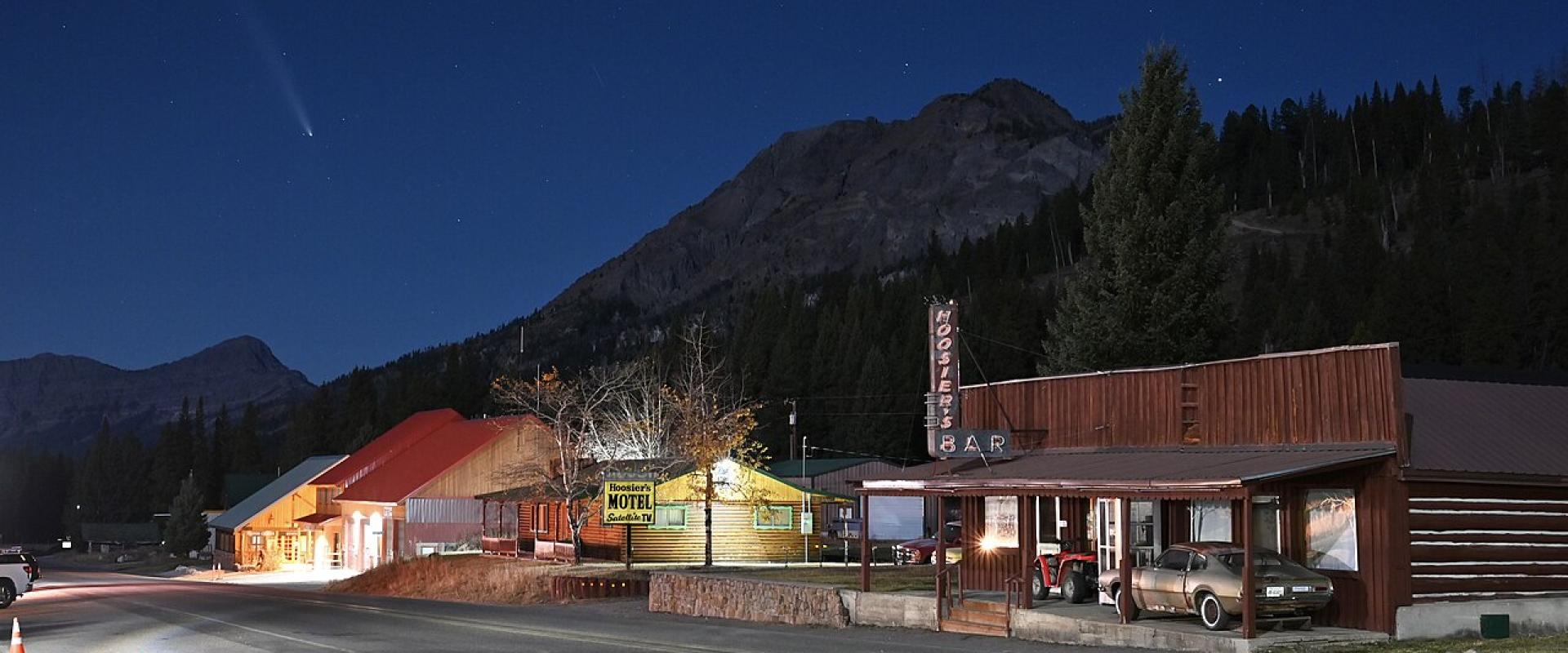
Cooke City
Snowy hamlet at Yellowstone's Northeast Entrance and the Beartooth Highway
History The settlement took the name of Jay Cooke, the banker who financed the Northern Pacific Railroad. Its position changed in 1936, when the Beartooth Highway opened over the Beartooth Plateau and linked this dead-end corner of Park County to Red Lodge and the Yellowstone Valley. Tourism, summer and winter, is now the town's chief industry. Until 2010 Cooke City and Silver Gate were counted together by the Census Bureau; Cooke City now forms its own census-designated place, with 77 residents in 2020.
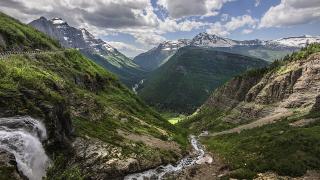
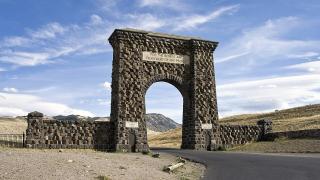
What to See The main sight is the road itself. US-212 runs through the middle of town, west into Yellowstone through the Northeast Entrance and east over Colter Pass toward the Beartooth Plateau. Inside the park, the road follows Soda Butte Creek down to the Lamar Valley, a broad grassland valley that draws wildlife watchers from dawn onwards. Cooke City itself is a single main street of lodges, cafes, outfitters and fuel stations serving people heading in or out of the park.
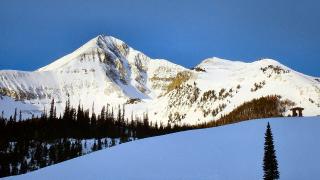
Outdoors Cooke City is bordered to the south by the North Absaroka Wilderness in Wyoming's Shoshone National Forest, and the Beartooth Mountains rise to the east, so trailheads are close in every direction. Climate normals for 1991 to 2020 put average snowfall at roughly 200 inches a year, with the heaviest months December and January, and it is often listed as the snowiest community in Montana. That snow drives a winter economy of snowmobiling on the surrounding national forest and backcountry skiing in the surrounding peaks; avalanche terrain is everywhere, and backcountry users need avalanche training and gear. Summers are short and cool, with July highs averaging in the low 70s °F.
Getting There In summer there are two approaches. From the east, the Beartooth Highway climbs from Red Lodge over Beartooth Pass (10,947 ft, which is in Wyoming) and reaches Cooke City after about 60 miles; from Billings Logan International Airport the trip is about 125 miles and three hours or more. From the west, the road from Gardiner and Yellowstone's North Entrance runs about 56 miles through Mammoth Hot Springs and the Lamar Valley, which takes roughly two hours without wildlife stops. The Beartooth Highway is normally open only from around Memorial Day weekend to mid-October; in 2026 it closed for the season on 9 October. For the rest of the year the only road access is from Gardiner through the park, and the road dead-ends at Cooke City. Driving through Yellowstone requires a park entrance pass, and from 2026 non-US residents aged 16 and over pay an extra $100 per person unless they hold an annual pass.
When to Go July to mid-September is the easiest time, with the Beartooth open, wildflowers on the plateau and the Lamar Valley at its busiest. Late September and early October bring fall colour and rutting elk, but the Beartooth can close early in a storm. December to March suits snowmobiling and backcountry skiing, though the drive in from Gardiner can be slow on snow and ice. Late October to November and the spring melt are the quietest months, when some businesses close.
Best time to visit
July to mid-September, when the Beartooth Highway is open and the Lamar Valley is at its best, or December to March for snowmobiling and backcountry skiing.
Planning a visit to Cooke City
Good to know
- Currency
- USD
- Language
- English