

Mai Wah Museum
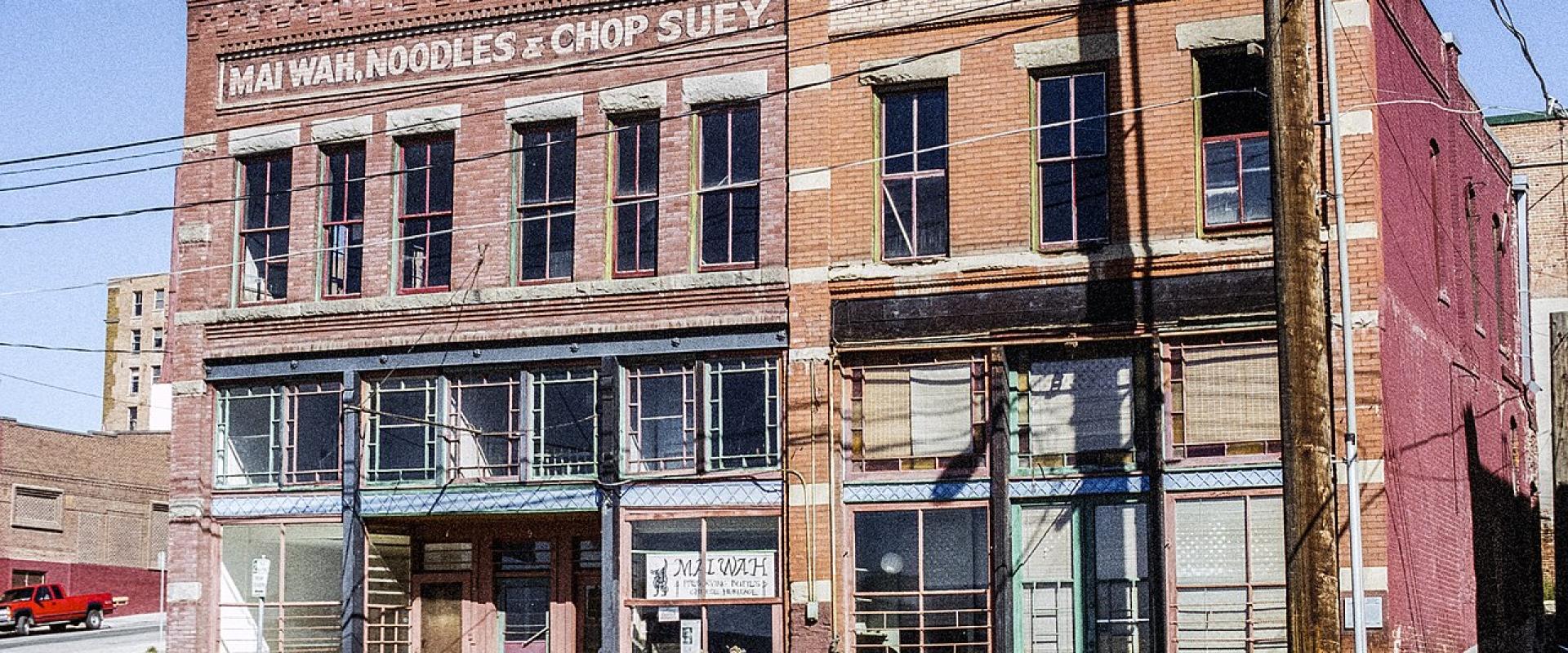
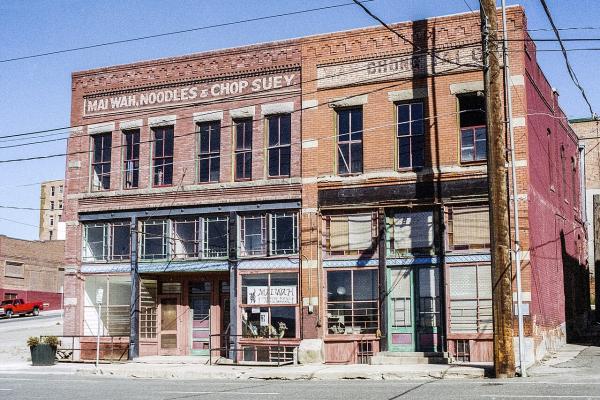
Two brick buildings from Butte's Chinatown, with a mercantile still stocked with goods
- Admission
- Adults $8
- Children, students and seniors $5; under 5 free; groups of 5+ $5 each (museum's published rates; confirm for 2027)
- Hours
- Early June to late September, Tue–Sat 10 a.m.–4 p.m. (2026 dates not separately announced)...
- Where
- Butte, Helena, Butte & Southwest Montana
- Directions
- Directions
The Mai Wah Museum occupies two brick buildings on West Mercury Street in Uptown Butte, among the last survivors of the city's Chinatown. It is run by the Mai Wah Society, a non-profit founded in 1991 to preserve and interpret Butte's Asian heritage, and it is the best place in Montana to learn how Chinese immigrants lived in a mining city that barred them from underground work.
By 1890 nearly 400 Chinese people lived and worked in this part of Butte, and estimates for the city as a whole run from 400 to 1,000. Excluded from the mines, they ran laundries, tailor shops, noodle parlours, herb shops and market gardens; Butte had at least 62 Chinese businesses in 1914. The older of the two buildings housed the Wah Chong Tai Company, a mercantile selling porcelain, tea, silk, dried herbs and clothing, which also acted as an informal bank, post office and meeting place. (Sources date it to 1891 or 1899.) In 1909 the company added the Mai Wah building next door, with shops at street level and a noodle parlour upstairs. The Chinn family ran the store and restaurant until they closed in the 1940s, and the Society acquired the buildings in the early 1990s. They lie within the Butte–Anaconda National Historic Landmark District.
Inside, the Butte Chinese Experience exhibit tells the community's story, and the Wah Chong Tai mercantile is shown with original furniture and stock salvaged from the store in the 1940s: baskets and boxes, parcels labelled in Chinese and dried herbs. Upstairs are displays on the Chinn family, porcelain and other finds from the Society's archaeological digs, and the old noodle kitchen with its stove and icebox still in place. The Society also owns a silk dragon used in Butte's Chinese New Year parade. Across China Alley on Main Street, the Pekin Noodle Parlor, a long-running restaurant, is the other surviving link to old Chinatown.
The museum is seasonal. Its published schedule is early June to late September, Tuesday to Saturday, 10 a.m. to 4 p.m., so in October it is normally closed; out of season the Society can open by advance arrangement (email info@maiwah.org). The first floor, including the main exhibits and gift shop, is wheelchair accessible, but the historic upper floor is not. The buildings are unheated, so bring a jacket on cool days.
Categories
More photos coming soon
Hours & Fees
- Open
- Early June to late September, Tue–Sat 10 a.m.–4 p.m. (2026 dates not separately announced); off-season visits by advance arrangement.
- Admission
- Adults $8; children, students and seniors $5; under 5 free; groups of 5+ $5 each (museum's published rates; confirm for 2027).
Hours and prices change, especially out of season. Check with the venue before you go.
Nearby Attractions
Other places to visit in Butte
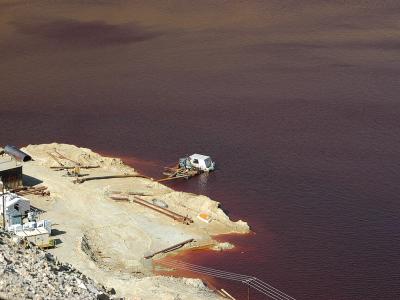
Berkeley Pit Viewing Stand
Look into a mile-long former copper pit filling with acidic, metal-laden water
Historic Sites · Mining History
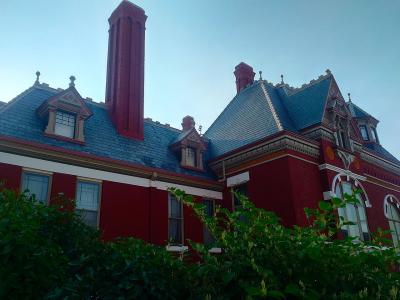
Copper King Mansion
W. A. Clark's 34-room 1888 house, still largely in its original condition
From $10 Museums · Historic Buildings
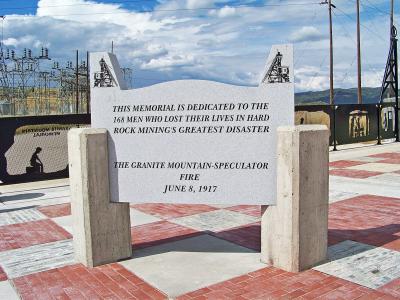
Granite Mountain Memorial Overlook
Hilltop memorial to the 168 men killed in the 1917 Speculator Mine fire
Historic Sites · Mining History
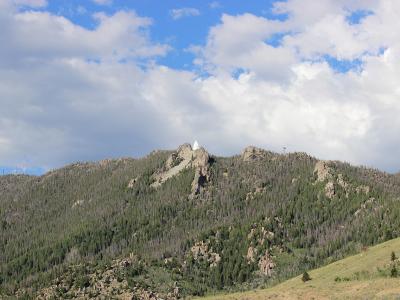
Our Lady of the Rockies
90-foot statue of the Virgin Mary on the Continental Divide, reached by bus tour only
Religious Sites · Mountain Peaks
Questions people ask
Quick Facts
Adults $8
Children, students and seniors $5; under 5 free; groups of 5+ $5 each (museum's published rates; confirm for 2027).
Best Time to Visit
June to September, when the Berkeley Pit viewing stand and Our Lady of the Rockies tours operate, with the Montana Folk Festival in mid-July.